Biodiversity Impact Assessments
As part of our permitting processes, we comply with local, state and federal regulations related to potential biodiversity impacts in the planning, approval and implementation phases of certain capital projects.
1. Pre-Construction/Planning Phase – A dedicated team of environmental experts works closely with our engineering and commercial departments to perform environmental due diligence.
The following natural and cultural resource considerations are part of the evaluation process:
- Locations of surface waters and wetlands.
- Threatened and endangered species habitats.
- Previously recorded archaeological sites, historic structures and areas of tribal interest or significance.
- Existing developed areas versus undeveloped greenfield sites.
- Public lands, including parks, nature preserves and wildlife conservation areas.
- Federal Emergency Management Agency floodplains.
- Surface water intakes.
2. Permit/Approval Phase – Valero undergoes a robust permitting process and collaborates with local, state and federal regulatory agencies. Additionally, our corporate subject matter experts review impact assessments from the preconstruction and planning phase.
For major capital projects, a presentation including permitting information, impact avoidance plans, identification of endangered species and other biodiversity impacts, if applicable, is presented at the executive management level. Major capital projects must be approved by the Board before advancing to the implementation phase.
3. Construction/Implementation Phase – For site preparation and other related soil-disturbing activities, we initiate stormwater management controls to reduce impacts on lakes, rivers, streams and other surface waters.
During major construction and where warranted, we also provide training programs on topics such as threatened and endangered species awareness and identification, stop-work protocols and reporting. To protect ecosystems from unintended releases of materials, we implement comprehensive pollution prevention and incident response programs.
2023 Biodiversity and Conservation Initiatives
The following programs and projects are part of our biodiversity initiatives beyond the company's business activities. We prioritize the needs of local nonprofits and other community stakeholders when selecting biodiversity projects and value these opportunities to engage with our neighbors.
Wildlife Protection Programs
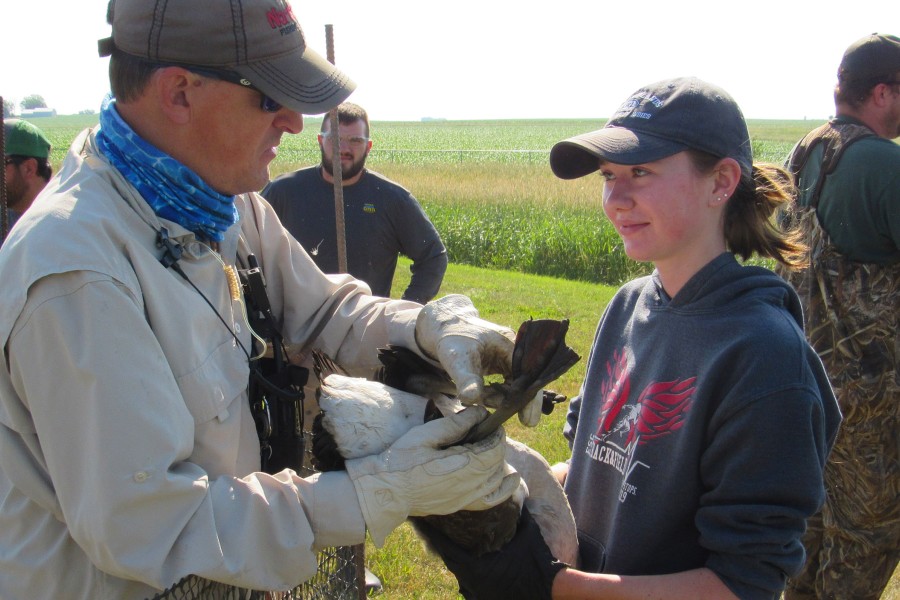
Iowa Department of Natural Resources: The Valero Albert City Ethanol Plant is allowing the Iowa Department of Natural Resources (DNR) access to the site’s stormwater pond to band goslings. In 2022 and 2023, over 100 goslings were banded, which will help the DNR track the population and observe their migration and travel patterns.
Water-Focused Programs
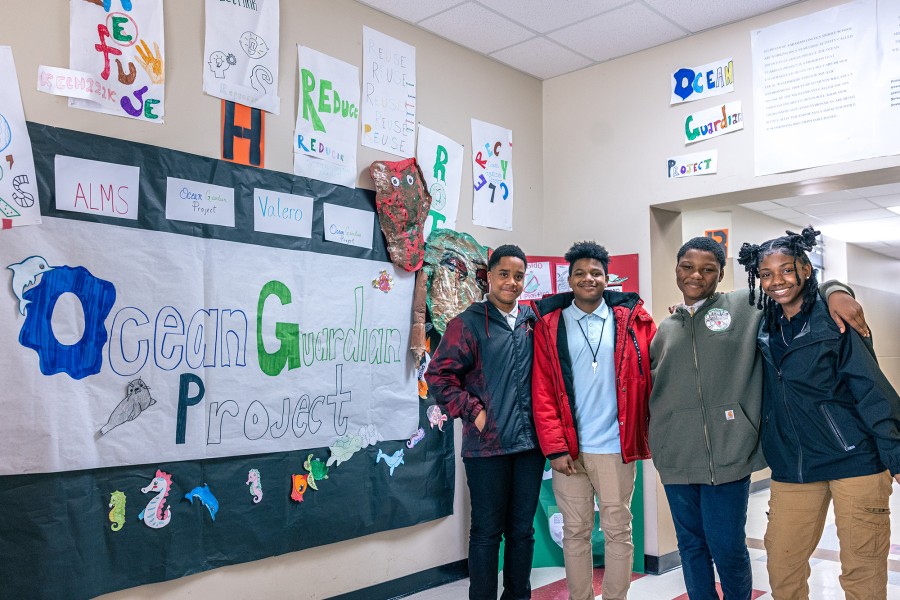
Gulf of Mexico Alliance: The Valero Port Arthur Refinery became a 2022 Gulf Star Partner with the Gulf of Mexico Alliance by supporting its Ocean Guardian School Program in collaboration with the National Oceanic and Atmospheric Administration. This five-year program supports a teacher leader at Lincoln Middle School in the Port Arthur Independent School District to execute conservational projects with students throughout the school year. In 2023, students learned about the importance of watersheds, the "6 Rs" that include Rethink/Reuse/Reduce/Reuse/Rot/Recycle, impacts of marine debris and the steps they can take to reduce trash that enters waterways.
WHC-Certified
Valero's commitment to environmental stewardship was recognized with the Wildlife Habitat Council's Conservation Certification for the marsh reforestation project in a partnership with the Pontchartrain Conservancy
What Fuels Us We care about the environment, our employees and the communities where we work and live.
Waste Management
Recycling Process